A Thorough Manual to Hiring Community Moving Companies
Relocating to a different residence can be simultaneously an exciting and intimidating experience. Whether you are relocating throughout town or merely down the street, the task involves numerous logistical challenges that can quickly become stressful if not managed properly. One of the key decisions you will encounter during this change is if to manage the relocation on your own or employ neighborhood moving services. Hiring the assistance of skilled workers can save you time, energy, and possible headaches, making your move go far more smoothly.
In this comprehensive guide, we will explore everything you need to know about hiring local moving services, from the essential questions to ask before making a choice to the hidden expenses that might come with DIY moving. You will find helpful advice for readying your household, ensuring your belongings are packed safely, and organizing the move logistics. We aim to equip you with the insight needed to make informed choices and ultimately have a stress-free relocation experience. Regardless wemovechicago.com are shifting your family into a new residence or moving your workspace, comprehending the details of local moving services will assist you manage this significant transition with assurance.
Key Questions to Ask Local Movers
When selecting a regional moving company, it's essential to collect as much information as possible to ensure a hassle-free process. First, asking about their experience and know-how in managing moves similar to yours. Inquire how many years they have been in business and if they focus in household, commercial, or both types of relocations. A reliable mover should be able to provide you with referrals or opinions from former clients to help you gauge their reliability.
Another vital question revolves around their legal permissions and coverage status. Ensure that you ask if the business is certified to operate in your state and whether they carry full insurance coverage. This not only protects your belongings during the move but also safeguards you from possible liabilities. It’s important to understand the different types of coverage they offer and how it works in the event of damage or loss to your possessions.
Finally, be sure to talk about pricing and billing structures. Ask for a detailed summary of their charges, including any additional costs that may arise, such as for packing supplies or more labor. Understanding whether they operate on an hourly rate or a fixed rate can help you budget efficiently. Clear communication about costs from the start will prevent any unpleasant surprises on moving day.
Preparing and Preparation for Your Move
Efficient planning and preparation are crucial for a hassle-free local move. Start by designing a thorough timeline that maps out every step leading up to moving day. This includes arranging your moving company, packing your belongings, notifying service providers and services of your address change, and preparing your new home for your arrival. Breaking down these tasks into manageable portions can minimize stress and keep everything in order.
Next, contemplate organizing your home before the packing process begins. This is an ideal time to go through items you no longer need or want. Use the chance to pass on, dispose of items that won't make the move with you. This will lighten your load and help you start fresh in your new space. Having less items to pack means a more streamlined moving process and less potential confusion on moving day.
Lastly, don't forget to involve your family in the organization process. Whether it’s preparing your kids for the transition or making arrangements for pets, ensuring that everyone feels included can ease any anxieties. Create a checklist of necessary things to take care of as a family, including how to manage utilities transfers, securing sensitive items, and preparing an essentials box for the initial night in your new home. A joint effort can make the challenging task of moving more feasible and less daunting.
Packing Advice plus Techniques
Effective packing is essential to ensure that your belongings get safely at your new home. Begin by gathering premium packing materials such as sturdy boxes, bubble wrap, packing paper, and tape. When packing breakable items, wrap them individually with bubble wrap and put them in boxes lined with packing paper for added protection. Make sure to fill any empty spaces in the boxes with crumpled paper or packing peanuts to prevent movement during transit, which can lead to breakage.
Labeling boxes is a further critical part of the packing process. Clearly mark each box with its contents and the room it belongs to, which will ease the unpacking process. In also, consider color-coding your boxes based on the rooms in your new home. This technique allows your movers to quickly identify where each box should go, making the transition smoother and more efficient.
Don’t forget to prepare an essentials box with items you'll need upon arrival, such as toiletries, a change of clothes, important documents, and basic kitchen supplies. This will save you from rummaging through multiple boxes on your first night in your new home. By adhering to these packing hints and techniques, you can make your local move hassle-free and organized.
Relocation Essentials and Aftercare
On moving day, having a well-organized plan is essential for a hassle-free transition. Start by preparing a “first night” box that contains essential items such as toiletries, a set of clothes, snacks, and important documents. This box will be your savior during the tumult of moving, ensuring you can settle in comfortably without rummaging through packed boxes. Additionally, make sure you have essential tools handy for putting together furniture and securing loose items.
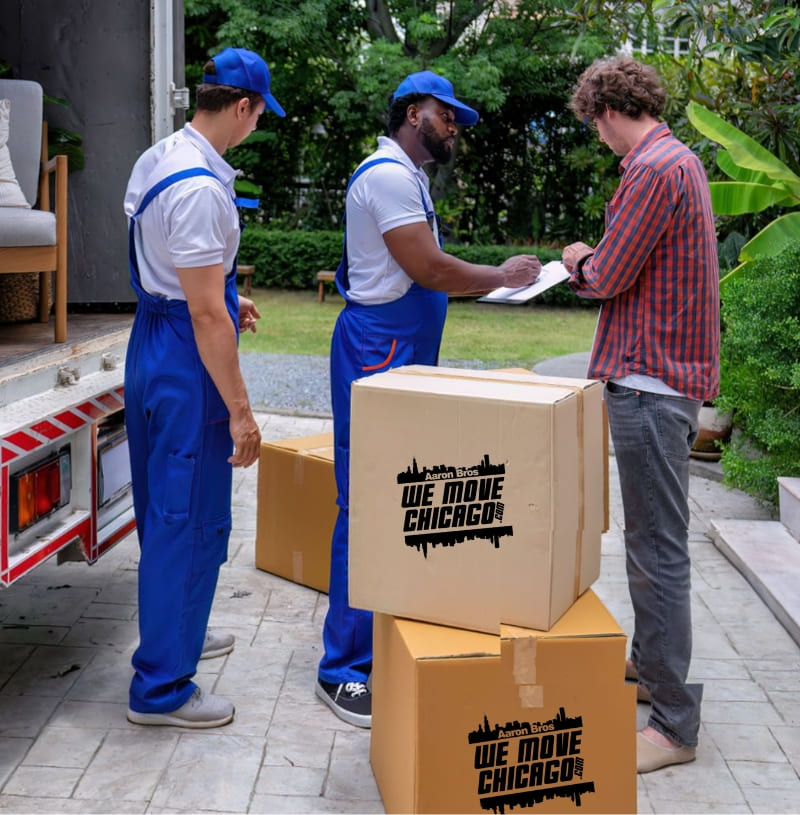
Once the movers have completed their task, take a moment to evaluate your new home. Walk through every room and check that all items have made their way safely. This is also a good time to document any possible damage that may have occurred during the move, especially with large furniture pieces or delicate items. If you notice any issues, report them promptly to your moving company.
After settling in, prioritize unpacking your kitchen and bedrooms, as these spaces are vital for daily life. Designing an unpacking strategy can help you stay organized and reduce stress. Don’t forget to connect utilities and amenities, and take time to explore your new neighborhood. Getting familiar with local services will make your new house feel like home and help you begin this next chapter with ease.